
Your Allotment, Your Way: Top 5 Tips for Choosing Your Plot
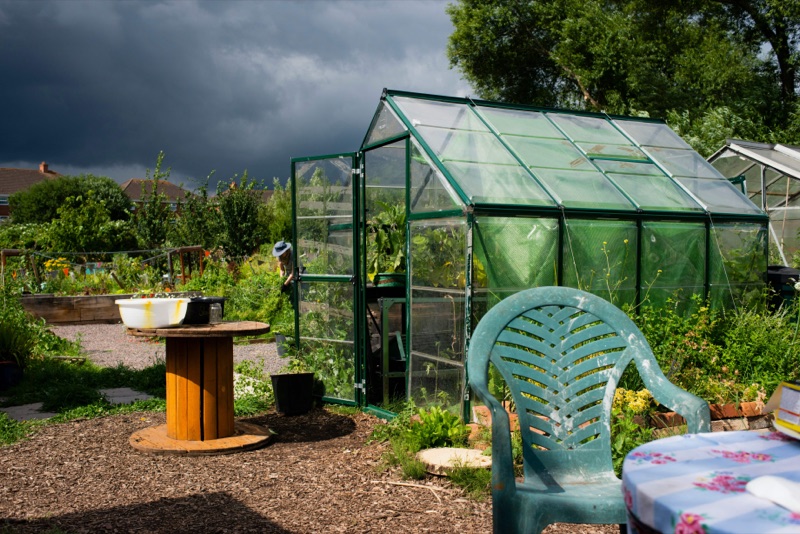
I recently took the plunge and signed a contract for a new allotment. It’s a dream come true, being just a stone’s throw away from home. But the best part? It’s significantly larger than my previous plot. If you’re thinking about starting your own allotment journey, I hope this article will guide you in making the right choice.
Tip #1: condition of the plot
When choosing your plot, it’s crucial to assess its current condition. My previous allotment had been used solely for keeping chickens, resulting in neglected soil and a lot of litter. In contrast, my new plot appears to have been actively used and dug over during the last growing season, with minimal weeds on the beds.
You can gauge a plot’s recent history by examining old crops or the amount of weed and grass growth. Consider the time, effort, and energy required to prepare a neglected plot before committing to it.
Tip #2: accessible amenities
Another important factor to consider is the accessibility of amenities. How close is the water tap to your plot? What is the distance to the car park? If mobility is a concern, carefully assess the layout of the allotment site and reject plots that are unsuitable for your needs. Many allotments require gardeners to remove their waste, so proximity to the exit is essential.
Consider the availability and condition of a shed. A good shed can be a valuable asset, providing storage for tools and supplies. If your plot comes with a shed, assess its condition thoroughly, as replacement sheds can be costly. A well-maintained shed is a significant advantage.
Tip #3: choosing the right plot size
The size of your plot is crucial. Consider who will be working on it. Will it be a solo endeavour, or will your family be involved? Think about the age and availability of your helpers. Young children might help with watering during summer on the odd occasion, while older family members could share the workload of the entire plot.
Think about how you’ll use your produce. If it’s solely for your household, a smaller plot might suffice. Many allotments offer half-plots for those seeking a more manageable space. I was surprised to discover that a well-planned half-plot, without unnecessary paths, can offer as much growing space as a larger plot with wider pathways.
Also consider the year-round usability of your plot. Will you garden year-round, or will it be dormant during the winter? Be realistic about your goals and capabilities.
Tip #4: location and proximity to home
The location of your plot is a crucial factor. My previous plot was a 10-minute drive away. While this seemed convenient at first, I found myself less inclined to visit during the autumn and winter months, especially when there’s less growing to do. My new plot, being within walking distance, feels much more accessible. I can nip over for half an hour to do some weeding or watering, which wasn’t practical when I had to drive.
Proximity to home makes it much easier to visit regularly, which is essential for keeping on top of an allotment.
Tip #5: sun exposure and shelter
Before committing to a plot, visit at different times of day to assess how much sunlight it receives. Most vegetables need at least six hours of direct sunlight daily, though leafy greens and some herbs can manage with less. Also consider shelter from wind, which can damage plants and dry out soil quickly.
A plot with a mix of sun and light shade, and some natural protection from prevailing winds, will give you the most versatility when it comes to what you can grow.
Ready to start your allotment journey? I offer an allotment support and setup service to help you get started with confidence, from soil preparation to your first planting plan. Get in touch for a chat →