
Gardening Q&A: Popular Tips for Beautiful Outdoor Spaces
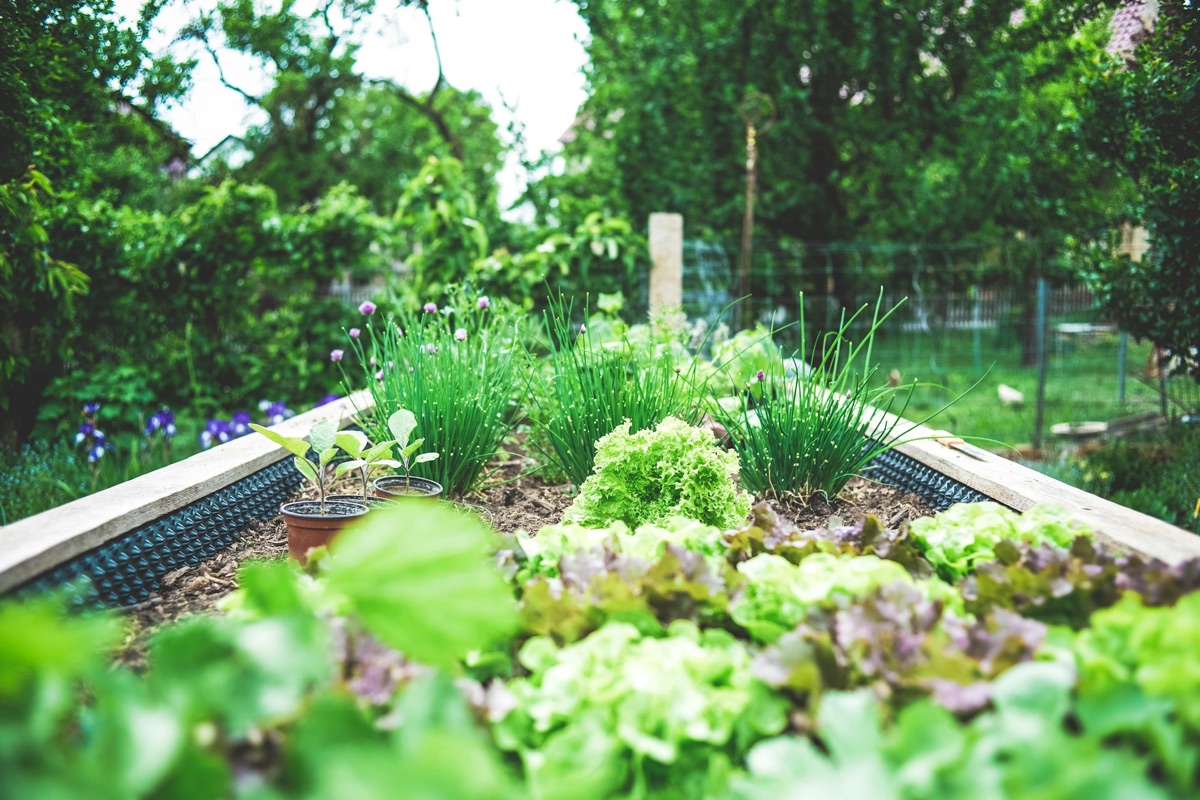
Gardening isn’t just about flowers and greenery. It’s about creating a space that feels personal, inviting, and alive with possibilities. Over the years, I’ve had the pleasure of helping people transform their gardens, whether it’s turning a blank new-build plot into an oasis or reviving a neglected space. Along the way, I’ve picked up a treasure trove of tips, tricks, and advice that I’m always happy to share. In this post, I’ll answer some of the most common gardening questions I get asked.
What makes a garden truly special?
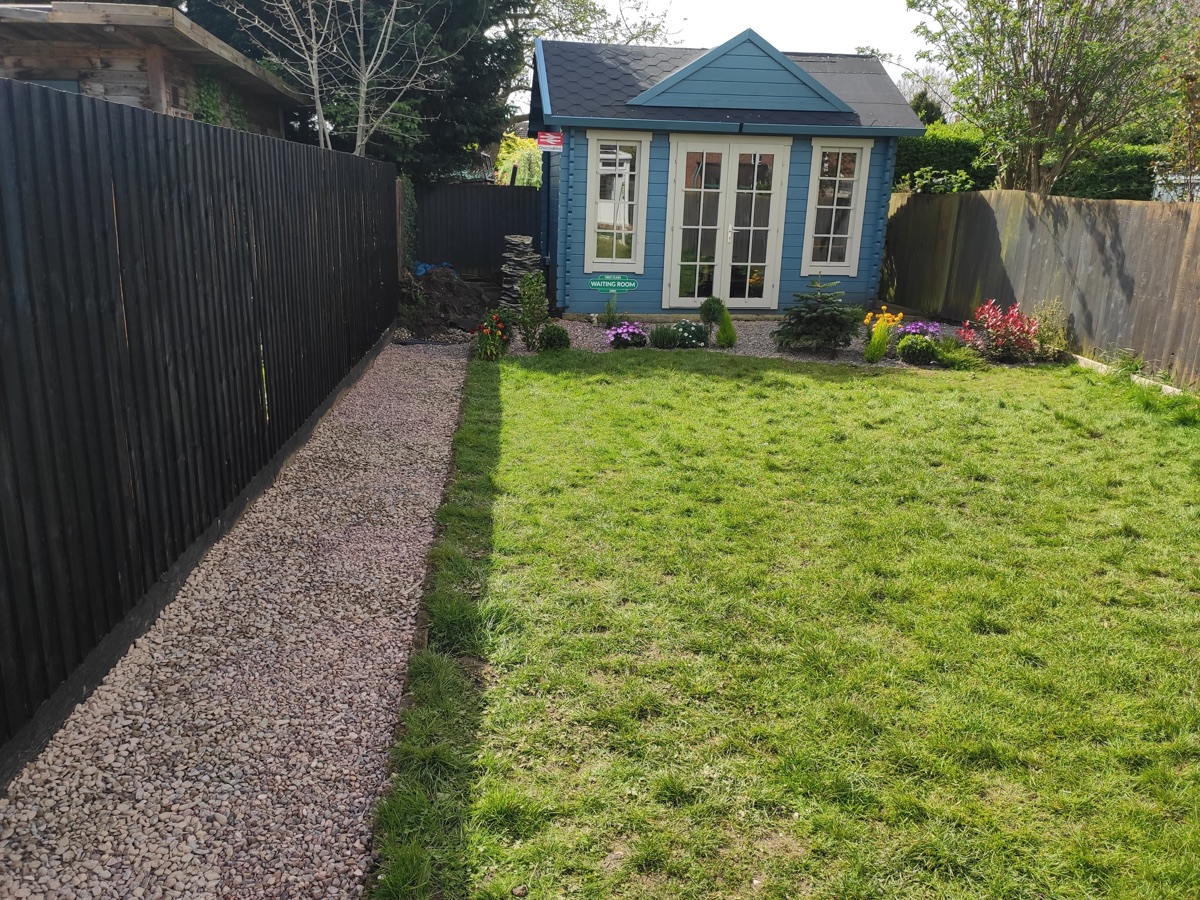
I believe every garden should be unique and reflect the personality of its owner. Some of the best gardens I’ve worked on have started with a conversation, finding out what colours people love, which plants hold special meaning, and how they’d like to use the space.
For some, it’s about creating a quiet retreat with their favourite flowers. For others, it might be a practical family space with room for children to play. I’ve even worked on gardens designed in memory of loved ones, incorporating benches or heirloom plants that carry a special story. A garden becomes truly special when it feels personal, meaningful, and brings joy to the people who use it.
What inspired your love for gardening?

My love for gardening began as a child, spending time in my grandmother’s beautiful tiered garden. It was a magical space, full of character, with its different levels and thick borders. She grew strawberries, blackcurrants, and gooseberries, which she’d turn into homemade jams. Watching her tend the plants and transform them into something we could enjoy around the table was fascinating and incredibly rewarding.
Gardening became a family affair as I grew older: mowing the lawn, repairing fences, working together. That sense of connection and shared purpose stuck with me, and it’s a big part of why I’m so passionate about gardening today.
What’s your go-to solution for a neglected or unloved garden?
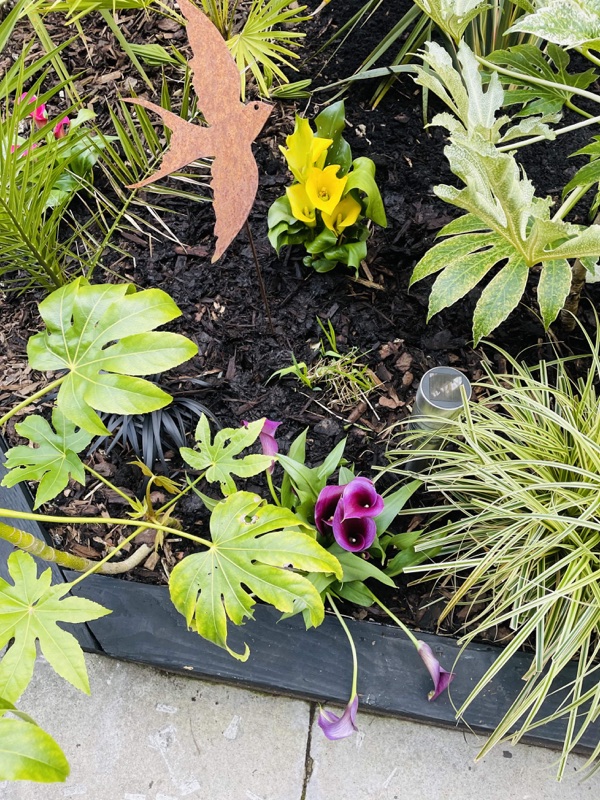
When faced with a garden that’s a bit worse for wear, I always start by trimming back hedges and bushes to clearly define the boundaries. Next, I tackle the lawn, cutting it back and reshaping it so you can see where it ends. This simple step makes an enormous difference in bringing structure back to the space.
After that, I focus on the borders. Adding flower beds or planting areas is a great way to introduce colour and life. And don’t forget patios and pathways: clearing up weeds and grime can make them look as good as new. Once the garden feels tidy and defined, you can really start to see its potential.
What’s the most common gardening mistake people make?
Overwatering is, without doubt, one of the most common mistakes I come across. Many people think that more water equals healthier plants, but most established garden plants are far more drought-tolerant than you’d expect. Overwatering can lead to root rot and other problems.
My advice: check the soil before you water. If the top inch is still moist, hold off. And when you do water, do it thoroughly and infrequently. This encourages roots to grow deeper in search of moisture, creating stronger, more resilient plants.
What’s your favourite type of garden to work on?
I genuinely enjoy all types of gardens, but I have a particular soft spot for neglected spaces with potential. There’s something incredibly satisfying about seeing a garden that’s been unloved for years (perhaps because life got in the way) and helping it find its feet again.
These projects often require the most creativity, because you’re working with what’s already there, making decisions about what to keep, what to remove, and what to introduce. When a client walks into a garden that’s been transformed and their face lights up, that’s the moment that makes it all worthwhile.
How do you deal with difficult growing conditions, like shade or poor soil?
Challenging growing conditions are just an invitation to get creative! For shady gardens, I’d always recommend exploring the world of shade-tolerant plants: ferns, hostas, astilbes, and fatsia are all brilliant options. They don’t just survive in shade; they genuinely thrive.
For poor soil, the answer is almost always to improve it rather than fight it. A good mulch of well-rotted compost worked into the soil does wonders over time. Raised beds filled with quality compost are another brilliant solution, giving you complete control over the growing medium.
Have a gardening question of your own? I’m always happy to chat. Get in touch →